
References

Durango–Mazatlán Motorway (Section II)
It is considered one of the most complex and spectacular road projects ever built in Mexico’s history, designed to cross the imposing Sierra Madre Occidental mountain range.
The experience gained here was based on the constant alternation between tunnels and high-altitude bridges. The construction company built viaducts using prefabricated beams and implemented sliding formwork systems to erect monumental bridge piers over deep ravines, drastically reducing journey times and improving the safety of heavy goods transport.
See

Nuevo Necaxa–Tihuatlán Motorway (Section II)
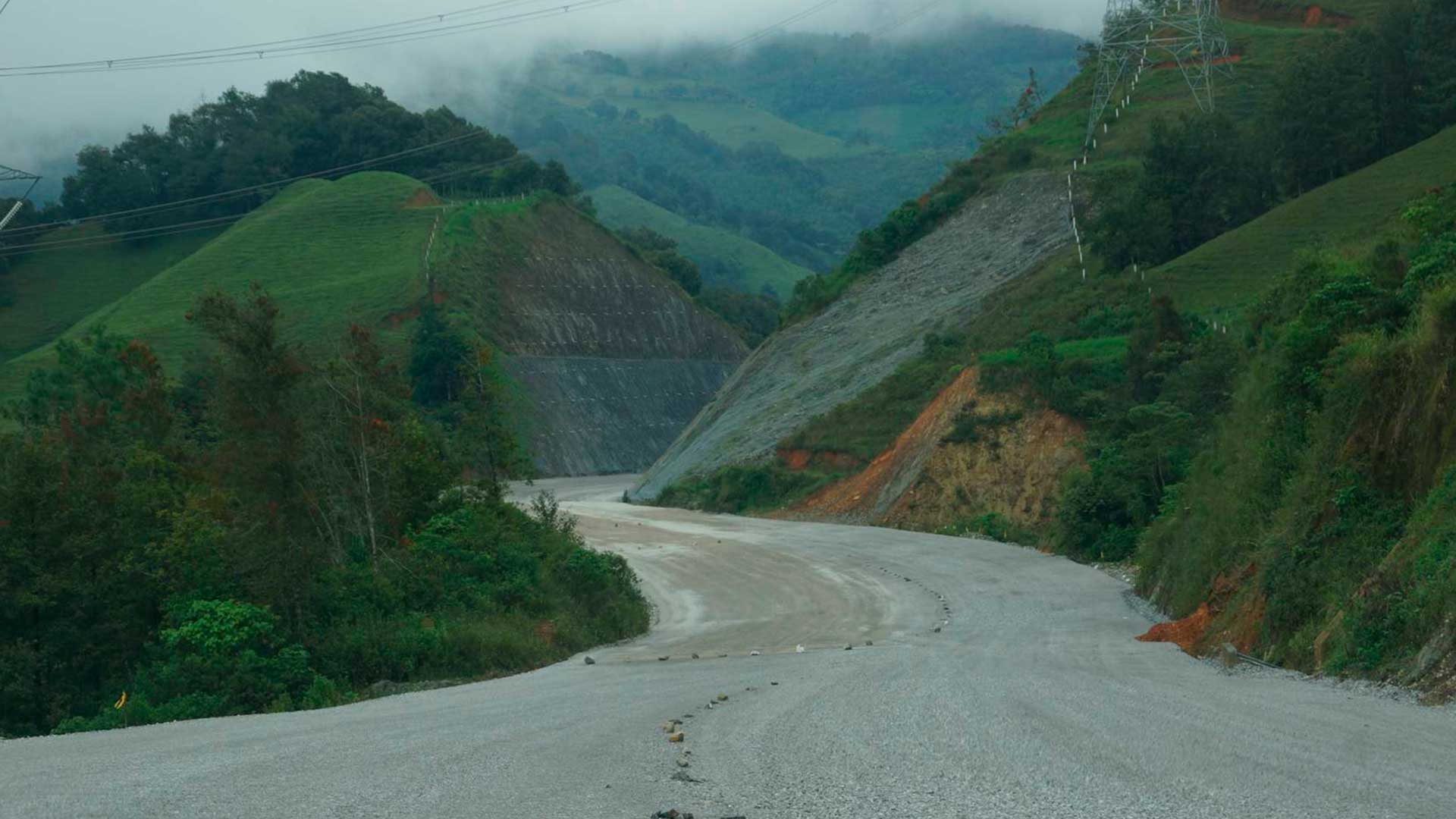
This project was a genuine engineering challenge due to the rugged topography of the Sierra Norte de Puebla. FCC carried out a strategic section of this motorway, which provides a fast link between Mexico City and the port of Tuxpan (on the Gulf of Mexico).
As the route passes through areas with extreme elevation changes, it required the excavation of multiple tunnels and the construction of high-rise viaducts. The region’s soil, prone to landslides due to heavy tropical rainfall, necessitated the use of advanced slope stabilisation techniques, including pile walls, deep anchors and high-capacity drainage systems, to prevent the carriageway from collapsing.