
References

The Saltillo–Nuevo Laredo Passenger Train (Saltillo–Santa Catarina section)
This is one of the most important railway projects in northern Mexico. It involves the development of the strategic Saltillo–Santa Catarina section, approximately 111 kilometres in length. Designed for high-speed passenger services (reaching speeds of between 160 and 200 km/h), the contract covers the design and construction of the double track, the track bed and the signalling systems.
Given the mountainous terrain of the area, the project requires the construction of a major viaduct, more than thirty railway bridges, 15 road crossings and around 150 cross-drainage structures to ensure the line remains operational during torrential rain.

The Maya Train (Section 2: Escárcega – Calkiní)
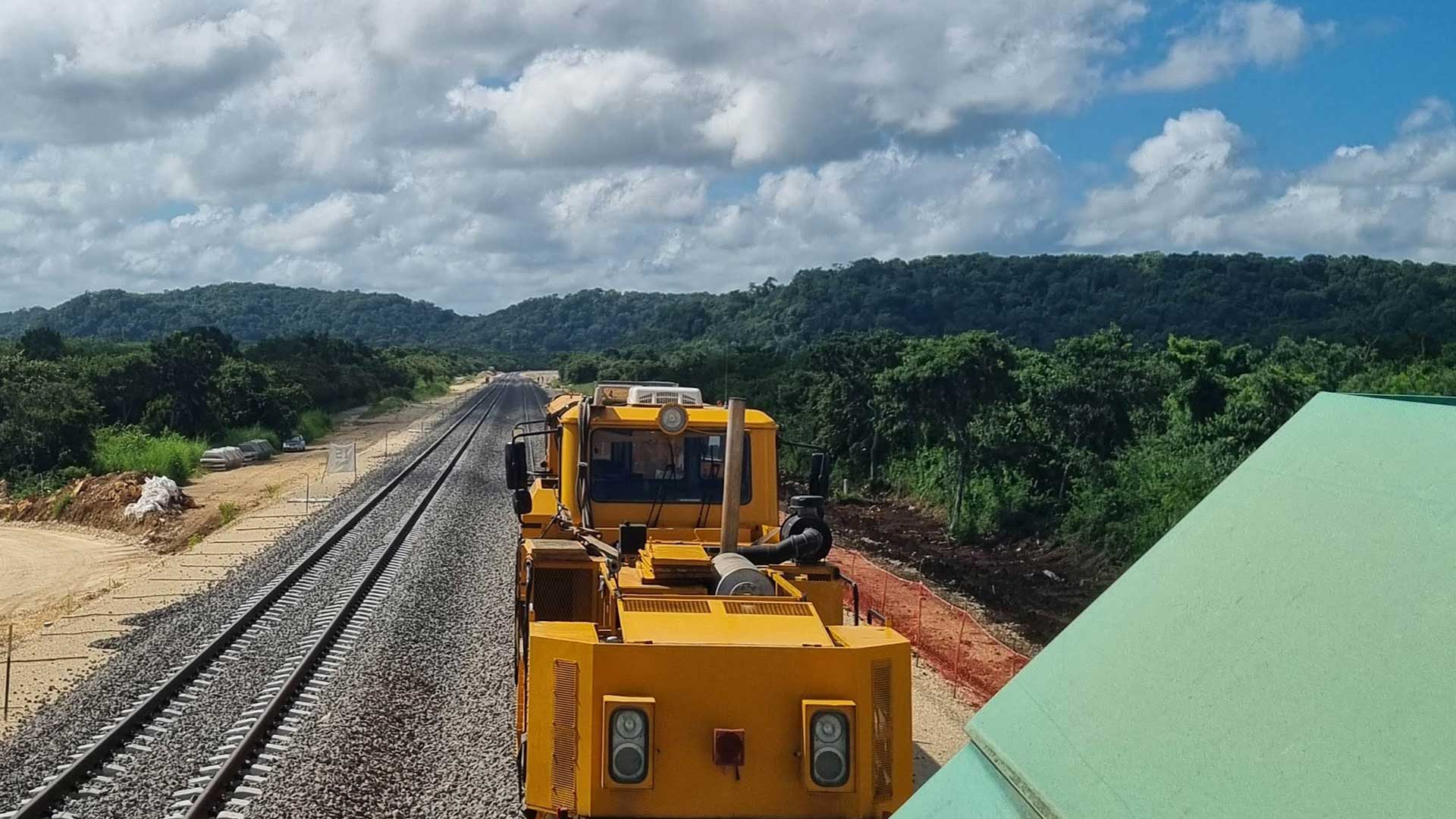
This railway project in south-eastern Mexico represents one of the greatest logistical and environmental challenges undertaken by the company in Latin America.
FCC constructed the 235 kilometres of railway track that make up Section 2, crossing the state of Campeche from south to north. The challenge required the construction of the company’s own sleeper production plant and the sourcing of millions of tonnes of high-quality ballast. Kilometres of special welded track were laid to ensure a quiet and smooth journey at speeds of up to 160 km/h. The contract included the construction of more than 100 wildlife crossings (underground and elevated biological corridors) to protect the Maya rainforest ecosystem, as well as elevated viaducts in flood-prone areas.